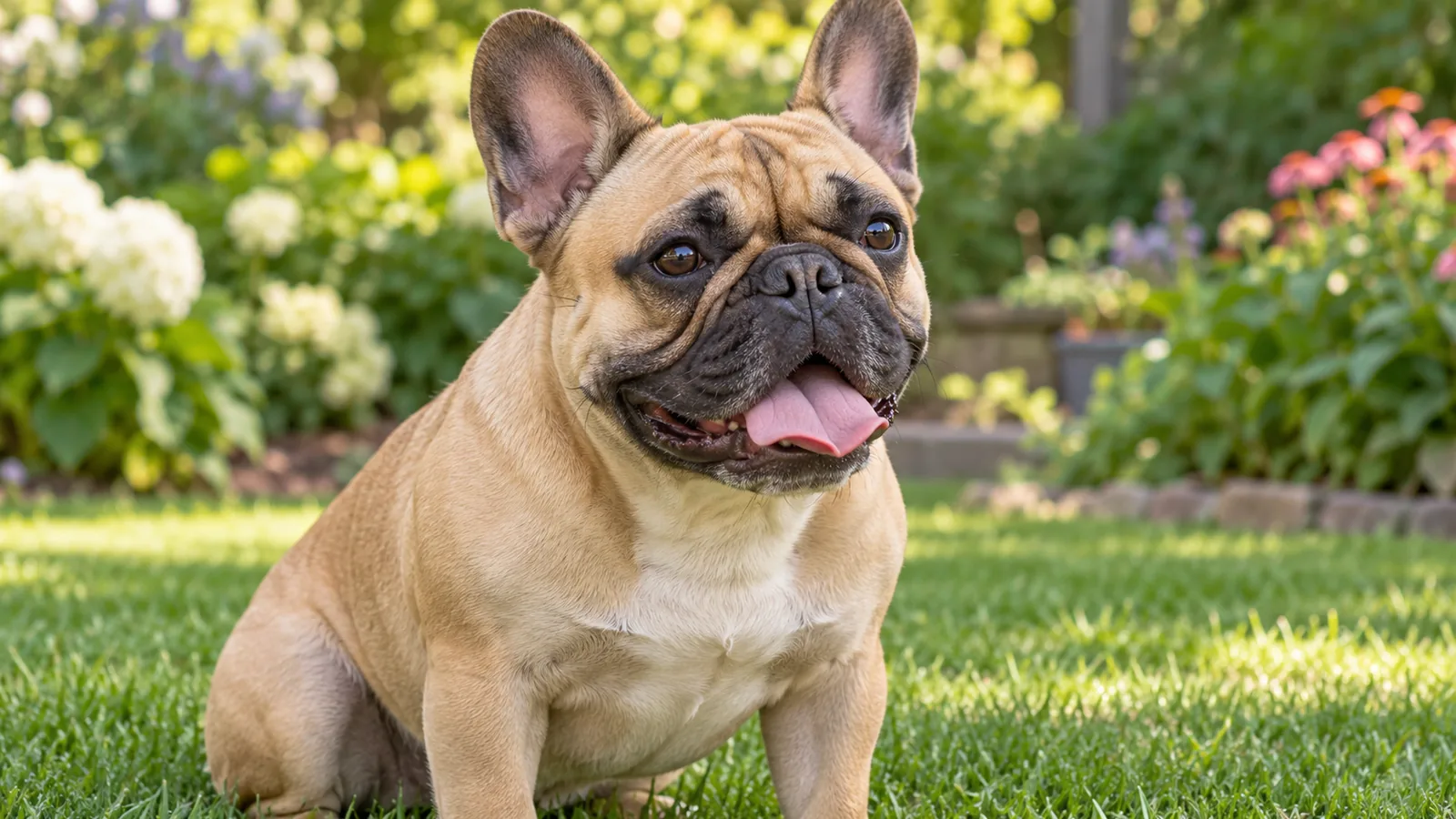
Snoring in a flat-faced dog is not a personality quirk. It is the sound of air squeezing through a crowded airway, and the real question is whether it needs a surgical correction. Bulldogs, Pugs, and Shih Tzus carry all of a long-nosed dog's soft tissue inside a much shorter skull, so the noise is common in these breeds, but common is not the same as normal. What matters is how hard your dog is working for air: noisy breathing while they are awake, less stamina on walks, real trouble on a hot afternoon, nights that wake you up. All of it points to an airway too narrow for the job, and at 5,280 feet every breath carries less oxygen to begin with.
A dog who snores like a chainsaw is easy to laugh about until you are the one lying awake at midnight, wondering how much effort each breath is taking. State of the Heart Veterinary Care in Denver can check your dog's nostrils, palate, and chest and tell you whether this is anatomy to manage with weight, harnesses, and heat caution, or an airway that breathes better after surgical correction for brachycephalic obstructive airway syndrome. The repairs that relieve the obstruction, widening the nostrils and shortening the soft palate, work best before years of straining start to deform the larynx, so a dog who is getting louder is worth looking at now rather than next summer. We keep room in the schedule for same-day sick visits when breathing changes quickly, and if the snoring has been building over the past year, book a breathing check with us.
Noisy Breathing in Short-Nosed Dogs: The Basics
- Loud snoring in a short-nosed dog comes from normal soft tissue packed into a shortened skull, so it's common in Bulldogs, Pugs, and Shih Tzus, but a snore that keeps getting louder isn't something to wait out.
- Narrow nostrils and an overlong soft palate cause most of the obstruction, and both can usually be corrected surgically, which generally works better before years of straining damage the voice box.
- Keeping your dog lean and out of midday heat does more for their breathing than anything else you control at home.
- Visible effort at rest, gasping, collapse, or blue-tinted gums means your dog needs to be seen that hour, not at their next checkup.
Why Does My Flat-Faced Dog Snore So Loudly?
The noise comes from crowding. Brachycephalic dogs have nasal passages compressed into a much shorter skull while the soft palate, tongue, and throat tissue stay full size, so every breath squeezes through a half-size space, and the louder the snore gets, the more work each breath is taking.
Sleep makes it worse, because the muscles relax and the airway narrows further, and some dogs wake themselves repeatedly through the night. Families often notice the workarounds before they notice the noise:
- Sleeping upright: they doze sitting up instead of stretched out on one side.
- A propped chin: they sleep with their chin hooked over the edge of the bed or a cushion.
- A toy in the mouth: they fall asleep holding a toy, which holds the airway open.
Bulldogs, Pugs, Shih Tzus, French Bulldogs, Boston Terriers, Cavaliers, Boxers, and Pekingese are all short-nosed breeds, and the degree varies widely even within one litter. The breed tells you to pay attention, not how narrow your own dog's airway is.
Plenty of flat-faced dogs snore for life and never land in trouble, so the trend matters more than the volume. The visits in our first-year puppy wellness plan are where we record what normal sounds like for your dog, before any strain has built up.
What Is Blocking My Dog's Airway?
Two structures cause most of the obstruction: nostrils too narrow to pull air through, called stenotic nares, and a soft palate too long for the space it occupies, so its tip flutters over the opening to the voice box. Both make a dog strain harder, and both tend to worsen with that strain.
Many of these dogs also gag, retch, or bring up food, because the same hard suction pulls on the stomach and lower esophagus, and those signs often ease once the airway is opened. Together, the combination of anatomical defects make up brachycephalic obstructive airway syndrome (BOAS). Many dogs have several of these:
| Part of the airway | What it does to breathing | What usually helps |
| Stenotic nares (narrow nostrils) | Air gets sucked through slits, so the dog works hard even at rest | Widening the nostril openings |
| Elongated soft palate | The tip flutters over the voice box and partly blocks each breath | Shortening the palate to fit |
| Everted laryngeal saccules (pouches beside the voice box) | Small pouches get pulled into the airway by years of hard suction | Removing the pouches, often during the same procedure |
| Hypoplastic trachea (narrow windpipe) | The whole pipe runs smaller than it should, which surgery can't widen | Lean body weight, heat caution, careful anesthesia |
| Laryngeal collapse | Weakened cartilage folds inward, the late stage of long-term obstruction | Earlier repair of the nostrils and palate; advanced cases need a boarded surgeon |
In the exam room we check the nostril openings from the front, hold your dog's mouth closed to see how much air moves through the nose alone, and listen over the throat and chest, which usually tells us where the noise starts. When the sound doesn't match what we can see from the outside, a specialist who comes to our hospital can perform a rhinoscopy, looking inside the nose and throat with a small camera.
What Does Surgery for a Brachycephalic Dog Involve?
Airway surgery opens the parts of the airway that are too tight. It usually means widening the nostrils, shortening the soft palate, and removing everted saccules if they're present, all under one anesthetic event. Done early, before years of straining damage the voice box, it can spare a dog a lifetime of struggling for every breath.
What Happens During the Procedure?
Corrective surgery for brachycephalic airway syndrome is tailored to what each dog's airway needs:
- Widen the nostrils: a small wedge of tissue is removed from each side of the nose so air can flow in freely instead of being sucked through slits.
- Shorten the soft palate: the extra length that flops over the voice box is trimmed so it no longer blocks each breath.
- Remove everted saccules: if the small pouches beside the voice box have been pulled into the airway, they're removed at the same time.
- Monitor recovery closely: the breathing tube stays in until your dog is awake enough to protect their airway, and we watch carefully for throat swelling over the following hours.
We perform many routine and complex soft tissue surgeries here, and we'll tell you whether your dog's airway repair is one of them. Dogs with very narrow windpipes or a larynx that has started to collapse often do best with a boarded surgeon and overnight monitoring at a 24-hour hospital, and we'll help coordinate that.
Why Does Doing It Young Make Such a Difference?
Every breath through a narrow airway creates strong suction, and over the years that suction stretches and weakens the soft tissue. The saccules turn inside out, the throat swells, and eventually the cartilage of the voice box can begin to fold inward. Those later changes are much harder to fix, and laryngeal collapse can't be fully reversed.
Correcting the nostrils and palate in a young dog, often between six months and a year old and sometimes under the same anesthesia as a spay or neuter, removes that suction before the damage builds. These dogs tend to have the best results: easier breathing, better stamina, fewer gagging episodes, and a calmer night's sleep for the whole household. Older dogs still benefit from surgery, but the improvement is often less dramatic.
Is Anesthesia Safe for a Short-Nosed Dog or Cat?
Anesthesia is generally safe for flat-faced pets when the plan is built around their airway. The riskiest minutes of anesthesia for a short-snouted pet come before and after the procedure rather than during it, so the breathing tube goes in early and stays in longer than usual.
Before anything is scheduled, we start with an exam and bloodwork, and a chest digital x-ray shows the heart, the lungs, and the width of the windpipe. Oxygen goes on before the anesthetic rather than after, because these pets have less in reserve, and recovery gets the longest watch, since the throat swells a little after any handling and there isn't much room to spare. A flat-faced cat gets the same plan, and a few things on your end make the day safer:
- Follow the fasting instructions: we'll give you times for your pet specifically rather than a general rule.
- Tell us about past sedation that went badly, and bring a full list of medications and supplements.
- Plan a quiet day afterward: keep the car cool on the ride home and skip the walk.
- Expect rough breathing for a day or two: swelling settles slowly, so call us if it sounds worse rather than steadier.
What Is Recovery Like After Airway Surgery?
Most dogs go home within a day or two, breathing noticeably easier, though some snoring usually remains. For the first two weeks, plan on soft or moistened food, a harness instead of a collar, cool and quiet surroundings, and keeping barking and excited play to a minimum while the throat heals. Mild gagging or a change in bark is common early on. Labored breathing, a bluish tongue, or coughing after eating needs a call right away, since swelling and aspiration pneumonia (food or fluid breathed into the lungs) are the main risks after airway surgery.
Surgery opens the airway but doesn't change the skull, so keeping your dog lean and out of the heat still matters for life. We’ll give your flat-faced dog an exam customized to their breed-specific problems at every wellness visit, monitoring their respiratory, eye, skin fold, and dental health carefully.
What Other Care Do Flat-Faced Dogs Need Besides Airway Surgery?
The same short skull and compact body that crowd the airway also affect the eyes, skin folds, tail, and mouth. Many flat-faced dogs need routine fold and eye care at home, and some need additional surgery. Regular exams catch these problems early.
- Eyes: Brachycephalic ocular syndrome covers the eye problems that come with shallow eye sockets: lids that don't fully close, lashes or fold hair rubbing the eye, dry eye, and corneal ulcers. Surgery to narrow the eyelid opening protects the eye in many dogs. Because the eyes sit so far forward, a hard tug on a collar or a scuffle can push an eye out of its socket, which is an emergency, so a harness protects the eyes as well as the airway.
- Nasal folds: The wrinkle above the nose traps moisture and debris, leading to red, smelly fold infections. Wipe and dry the fold daily with a product we recommend; we have great options that prevent bacterial and yeast infections in our online pharmacy. When a fold is large enough to rub the eyes, a nasal fold resection removes it.
- Screw tails: A tightly curled tail creates a deep skin pocket underneath. Tail fold intertrigo, an infection in that pocket, causes scooting, odor, and pain. Regular cleaning keeps most dogs comfortable, but severe cases may need surgery to remove the tail and the fold.
- Teeth: A short jaw crowds the same number of teeth into less space. Malposition and malocclusion, meaning rotated, overlapping, or misaligned teeth, trap food and speed up gum disease, so regular dental cleanings matter more for these breeds. Some pets need teeth removed to prevent them from causing pain when chewing.
How Do Weight and Heat Change the Way My Dog Breathes?
Extra weight makes every breath harder. Dogs shed heat by panting, and a flat-faced dog pants through an airway that's already crowded. In studies of short-nosed breeds, lean dogs handled heat better than overweight ones, so a few extra pounds show up as both louder snoring and less tolerance for a warm afternoon.
Extra fat also pads the neck and chest wall, which narrows the path further and makes the ribs harder to expand. Two pounds on a Pug is close to ten percent of their body weight, and a body condition score at each visit gives you a number to work from instead of a guess. The nighttime noise often quiets as the weight comes off. A few habits at home carry most of the benefit:
- Measure every meal, treats included: use a real measuring cup, and keep the day's treats in one small jar so you can see what's left by dinner.
- Walk in the cool hours: aim for early morning or after sunset through Denver's warm months, and skip the midday outing entirely on a hot day rather than shortening it.
- Use a harness instead of a collar: pressure across the front of the throat is the last thing a crowded airway needs.
When Is Noisy Breathing an Emergency?
Noisy breathing has become respiratory distress when your dog is working visibly hard for air while resting, gasping with the tongue wide and flat, stumbling or going down after mild activity, or showing gums that look gray or purple. Any one of those means care within the hour, not tomorrow.
| What you're seeing | What it usually means | What to do |
| The same steady snore as last year, asleep only | Baseline anatomy | Mention it at the next exam |
| Louder snoring, less stamina, noise while awake | Obstruction getting worse | Call for an exam this week |
| Effort at rest, gasping, gray or purple gums, collapse | An airway crisis or heat emergency | Come in now, and call on the way |
Heat is the fastest route to the bottom row. A short-nosed dog sheds heat poorly, so a warm car, a sunny Denver afternoon on the patio, or ten minutes of hard fetch can tip into heatstroke while your dog still looks willing to keep playing. Run cool tap water over the belly and legs, get air moving with a fan or the car vents, and head in. Don't pack them in ice, don't wrap them in wet towels that trap heat against the skin, and never give a human sedative or antihistamine to quiet the breathing down.
We can handle urgent and emergency pet care during business hours, and can stabilize a dog who is struggling to breathe before transfer to a 24-hour hospital if they need overnight care.
What Families Ask Us About Snoring and Short Noses
Will my puppy grow out of the snoring?
The skull your puppy was born with is the one they'll keep, so the noise doesn't fade with age. It more often creeps the other way, because each year of pulling against a narrow airway adds strain to the soft tissue and the voice box. That's why puppyhood is the best time to ask us whether surgery makes sense.
What should I look for when choosing a flat-faced puppy?
Look at the nostrils first: open, comma-shaped nostrils are a better sign than tight slits. Ask the breeder whether the parents breathe quietly at rest, handle exercise and warm days well, and have had airway screening or surgery. A puppy who already snores loudly, breathes with their mouth open while calm, or tires quickly in play is showing airway trouble early, and we're glad to check a new puppy's breathing at their first visit.
Do flat-faced cats have airway trouble too?
Persians, Himalayans, and Exotic Shorthairs are built on the same short-faced plan, and some snore, breathe noisily, or tear constantly because the nostrils and tear ducts are crowded. The signs in cats stay quieter: open-mouth breathing after play, a slow drop in activity, sleeping with the head propped up. The first visits for a new kitten are a good moment to note what normal breathing sounds like.
Breathing Easier With a Short-Nosed Dog
Most flat-faced dogs do well with a lean body, a harness, cool-hour walks, and a team that knows what their baseline sounds like. Judging when the noise has crossed a line takes an exam, so schedule a visit at State of the Heart Veterinary Care in Denver if the snoring has changed, and bring your notes and your video with you. We'll tell you what's worth doing now and what's worth watching.